
Top Ten Ways Martial Arts Helps Kids Gain Confidence
What changes in a child when they stop saying “I can’t” and start asking how to try again? Confidence is not built from one speech, one trophy, or one lucky win. It grows through repeated moments where a child feels supported, challenged, and capable of taking the next step.
For many parents, confidence is one of the biggest reasons to consider karate classes. You may want your child to speak more clearly, handle frustration better, stand taller, or feel less nervous in groups. Those goals are real, and they often grow through simple, steady training.
Table Of Contents
- The Top Ten Ways Martial Arts Helps Kids Gain Confidence
- Why Karate Confidence Can Reach Beyond Class
- How Parents Can Support Confidence Outside Class
- Conclusion
- FAQs
We believe confidence should be calm, respectful, and rooted in effort. A child does not need to become loud to become confident. They need to feel prepared, guided, and proud of progress they truly earned.

The Top Ten Ways Martial Arts Helps Kids Gain Confidence
1. Kids Learn To Try Before They Feel Ready
Many children wait until they feel certain before trying something new. Training gently challenges that habit. Your child may not know a stance, block, or kick at first, but they learn to begin anyway. That first attempt matters because it teaches courage in a safe place.
When kids try before they feel perfect, they discover that uncertainty is not a reason to stop.
2. Clear Goals Make Progress Easier To See
Children gain confidence when progress feels visible. Belts, skills, class routines, and instructor feedback help your child understand what they are working toward. A big goal becomes smaller steps.
This is helpful for kids who feel discouraged quickly. They can see that effort leads somewhere, even when progress takes time.
3. Repetition Turns Hard Skills Into Familiar Skills
A child may struggle with a movement during the first class, then perform it better after steady practice. That change teaches an important lesson. Hard does not always mean impossible.
Through repetition, kids learn that their abilities are not fixed. They can grow, improve, and become more comfortable with challenges.
4. Respect Gives Confidence A Healthy Direction
Confidence should not become arrogance. Good training connects confidence with respect. Kids learn to listen, wait their turn, answer politely, and treat classmates with care.
This balance matters. A respectful child can be proud without showing off. They can speak up without being unkind. That kind of confidence helps at home, at school, and with friends.
5. Correction Feels Less Frightening Over Time
Some children take corrections personally. They may shut down, feel embarrassed, or avoid trying again. In class, correction is part of learning. A missed step or uneven stance is not treated as failure. It is something to adjust to.
With patient guidance from professionals, your child can learn that feedback is not an attack. It is helpful. That shift can make them more willing to learn in many areas of life.
6. Strong Posture Helps Kids Feel More Capable
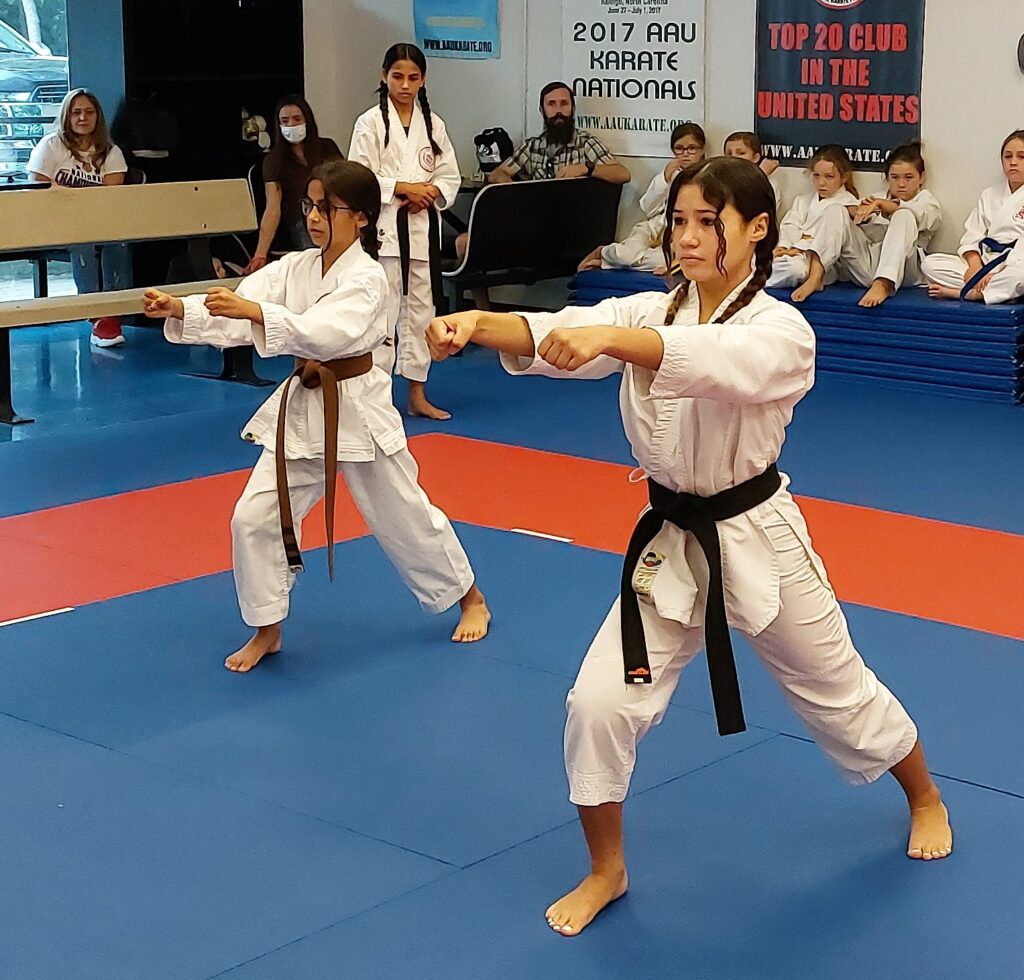
Body language affects how children feel. When your child practices ready stances, eye contact, balance, and controlled movement, they begin to carry themselves differently.
A child who stands tall may feel more prepared to answer a question, meet a new person, or walk into a room. Confidence often begins in the body before it shows in words.
7. Self Control Builds Inner Trust
Kids feel more confident when they can manage their own actions. Karate helps children practice pausing, listening, breathing, and responding with control.
This matters because confidence is not only about doing more. It is also about knowing when to stop, wait, and choose wisely. When children gain self control, they feel less controlled by nerves, excitement, or frustration.
8. Class Structure Makes Social Moments Less Intimidating
Group settings can feel hard for some children. They may not know where to stand, what to say, or how to join in. A structured class gives them clear expectations.
They bow, line up, follow directions, practice with others, and participate in a shared routine. Over time, that structure can make social interaction feel less overwhelming.
9. Small Wins Build Real Pride
Confidence grows when children experience success they earned. Maybe your child remembers a sequence, breaks through hesitation, or answers louder than last week. These small wins are meaningful.
Parents should notice effort, not just achievement. When you say, “I saw how hard you kept trying,” your child learns to value persistence.
10. Consistency Helps Confidence Last
A single great class can feel exciting, but confidence grows through consistency. Showing up again and again teaches commitment. Your child learns that progress is not about one perfect day.
In martial arts, steady attendance gives children repeated chances to practice courage, focus, respect, and effort. Those repeated chances help confidence become part of how they see themselves.
Why Karate Confidence Can Reach Beyond Class
The best part of confidence is seeing it travel. A child may start by speaking louder in class, then answer more clearly at school. They may learn to keep trying after a missed kick, then stay calmer during homework. Growth on the mat can support growth in everyday life.
Parents often notice changes in small moments. Your child may stand taller, introduce themselves with less hesitation, or handle disappointment with more patience. These changes may not happen all at once, but they matter.
At Florida Karate Academy, we see confidence as a blend of effort, discipline, and encouragement. We want children to feel proud of themselves while also learning respect for others.
Confidence Is Not The Same As Never Being Nervous
Your child can be nervous and still be growing. They can feel unsure and still participate. Confidence does not mean every fear disappears. It means your child learns that nervous feelings do not have to make every decision.
That lesson is powerful. A child who can act with support, even while feeling unsure, is building real confidence.
This is why the right class can feel both practical and reassuring for families who want steady personal growth that lasts far beyond one weekly lesson alone afterward.
How Parents Can Support Confidence Outside Class
Your role matters. Children gain more from training when parents support the process at home. You do not need to correct every stance or repeat every lesson. In many cases, your encouragement is enough.
Focus on effort, patience, and consistency. Try not to compare your child to classmates or siblings. Every child grows at a different pace, and comparison can turn progress into pressure.
Ask questions that help your child reflect. What felt easier today? What was tricky? What are you proud of trying? These questions teach your child to notice growth instead of only chasing results.
You should also let your child struggle a little. Safe frustration can be useful. If you rush to rescue them from every hard moment, they may miss the chance to discover their own strength.
Praise What Your Child Can Control
Praise effort, listening, focus, kindness, and persistence. These are habits your child can repeat. When praise only focuses on being the best, children may fear mistakes. When praise honors effort, mistakes feel less scary.
Confidence grows best when kids know they are valued during the process, not only when they win.
Conclusion
Kids gain confidence through action. They try, listen, practice, make mistakes, receive corrections, improve, and try again. Karate gives children a structured place to repeat that process in a way that feels active, respectful, and encouraging.
The top ten ways karate helps confidence all connect to one idea. Children begin to trust themselves when they see that effort creates growth. They do not need to be perfect. They need the chance to practice courage in manageable steps.
If your child needs more confidence, you should look for a program that teaches discipline without harshness and encouragement without empty praise. The right environment can help your child feel stronger in class and carry that strength into daily life.
Frequently Asked Questions
What age should a child start karate?
Many children can begin around age three to five if the class is designed for beginners. The best age depends on your child’s attention span, maturity, and comfort following simple directions.
Can karate help a shy child become more confident?
Yes, karate can help shy children by giving them structure, repeated practice, and supportive instruction. They do not have to become outgoing quickly. Small participation steps can build confidence over time.
Does karate teach kids to be aggressive?
A good karate program teaches control, respect, and responsibility. Children learn that their skills should be used carefully and that self control is an important part of training.
How long does it take for kids to gain confidence?
Every child is different. Some parents notice small changes within weeks, while others see confidence build gradually over months of consistent attendance and encouragement.
How can parents tell if karate is helping confidence?
Look for small changes. Your child may stand taller, try again after mistakes, speak more clearly, handle corrections better, or feel more willing to join group activities.
Karate Classes That Help Kids Build Confidence One Step At A Time
→ Help your child practice courage in a structured class
→ Build focus, respect, and self control through steady training
→ Support confidence that can carry into school and daily life
Connect with Florida Karate Academy to help your child start with confidence →
★★★★★ Rated 4.9/5 by 30+ students for respect, discipline, and personal growth.
