
Best Ways To Prepare Kids For Their First Dojo Day
What if your child’s first step onto the dojo floor could feel exciting instead of overwhelming? That first day can shape how they see martial arts, teachers, classmates, and their own ability to try something new.
We want your child to arrive ready, not perfect. Their first class is not about mastering punches or remembering every bow. It is about feeling safe, listening, trying, and learning how the dojo works. At Florida Karate Academy, we know families often feel just as nervous as children do, so preparation should support both of you.
Table Of Contents
- Start The Conversation Before The First Class
- Choose Clothing That Helps Them Move
- Build Confidence With Small Practice Moments
- Set Realistic Expectations For The First Day
- Bring The Right Mindset And A Few Practical Items
- Help Your Child Handle Nerves In The Moment
- Keep The Conversation Going After Class
- Conclusion
- FAQs
The goal is simple. Help your child understand what will happen, what they should wear, how they should behave, and how you will support them after class. When expectations are clear, the first dojo day becomes less mysterious and much easier to enjoy.
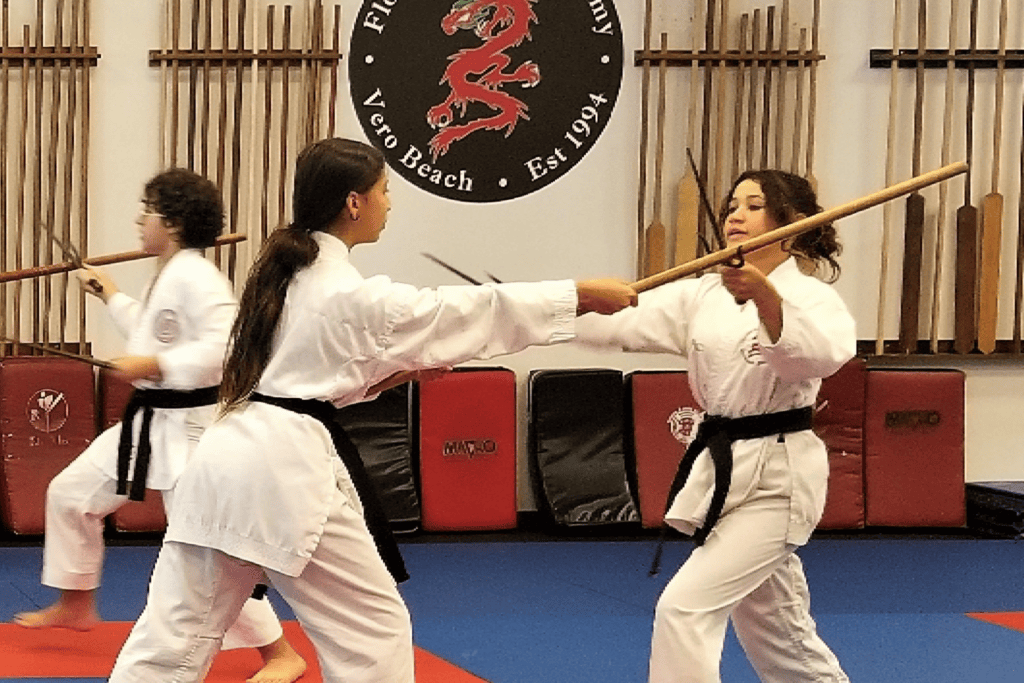
Start The Conversation Before The First Class
Children handle new places better when they know what to expect. You do not need a long lecture. A short, calm talk the day before class can help your child picture the experience.
Explain What A Dojo Is
Tell your child that a dojo is a training space where students learn respect, movement, focus, and self control. It is not a playground, but it should not feel scary either. Students listen to the instructor, follow directions, and practice safely with others.
Use simple language. You might say, “This is where kids learn karate step by step. You will not know everything yet, and that is okay.”
Keep The Tone Positive And Honest
Do not promise that everything will be easy. Instead, tell your child that some parts may feel new, loud, or challenging. Let them know they can still do well by listening and trying.
Ask a question that invites feelings. “Which part sounds fun, and which part feels a little strange?” Their answers can show you what to explain again.
Choose Clothing That Helps Them Move
Comfort matters on the first dojo day. If your child does not have a uniform yet, choose clothing that lets them stretch, sit, kick, and move without distraction.
Keep It Simple
A T shirt and athletic pants or shorts usually work well for a visit unless the school gives different instructions. Avoid jeans, dresses, jewelry, belts, watches, or anything that could catch, twist, or distract.
Your child should also be able to raise their arms, bend their knees, and sit comfortably. If they spend class tugging at clothes, they may focus more on discomfort than learning.
Prepare For Shoes And Bare Feet
Many dojos train barefoot on the mat or floor. Tell your child ahead of time so they are not surprised. Pack shoes that are easy to slip on and off.
If your child is sensitive about bare feet, talk about it early. You can explain that everyone follows the same floor rules to keep the training area clean and safe.
Build Confidence With Small Practice Moments
You do not have to teach karate at home before the first class. In fact, it is better not to guess at techniques. What you can practice are the simple habits that help a child join class smoothly.
Practice Listening The First Time
Karate class often moves in short instructions. Children may be asked to line up, sit, stand, bow, or freeze. Practice listening at home in a playful way.
Say, “When I clap once, stand still. When I clap twice, sit down.” Keep it light. It is helping your child feel ready to follow directions.
Practice Respectful Greetings
Your child may hear words like sensei, bow, line up, or attention. You do not need to make these terms complicated. Explain that greetings and bows show respect, just like saying please and thank you.
A karate academy may use routines that feel formal at first, but children usually adjust quickly when parents frame them as signs of kindness and focus.
Set Realistic Expectations For The First Day
First dojo day success is not measured by perfect technique. It is measured by participation, effort, and emotional recovery if something feels hard.
Do Not Expect Instant Confidence
Some children jump in right away. Others watch first, stay close to a parent, or need reassurance. That does not mean they are not ready. It means they are processing new surroundings.
You should avoid comparing your child to other students. A child who freezes on day one may become engaged once the routine feels familiar.
Focus On Effort Instead Of Performance
After class, do not start with corrections. Ask what they noticed, what they liked, and what felt tricky. Praise effort specifically. Say, “I liked how you kept trying when the line moved,” or “You listened when the instructor called everyone back.”
These comments teach your child that progress comes from effort, not from being the best student in the room.
Bring The Right Mindset And A Few Practical Items
This is the only checklist you really need for the first class. Keep it short so you do not turn the day into a packing project.
- Water bottle with your child’s name on it
- Comfortable clothes or uniform if already provided
- Hair tied back if needed
- A calm arrival with extra time for parking and check in
- A reminder to listen, try, and have fun
Arriving early matters. Rushing can make children anxious before they even step inside. Give yourself time to find the entrance, use the restroom, meet the instructor, and let your child look around.
Help Your Child Handle Nerves In The Moment
Even prepared children can feel nervous when the class starts. Your calm reaction teaches them how to respond.
Use Short Reassurance
Long speeches can make fear feel bigger. Try short phrases like “You are safe,” “Just try the first part,” or “I will be right here.” Keep your voice steady.
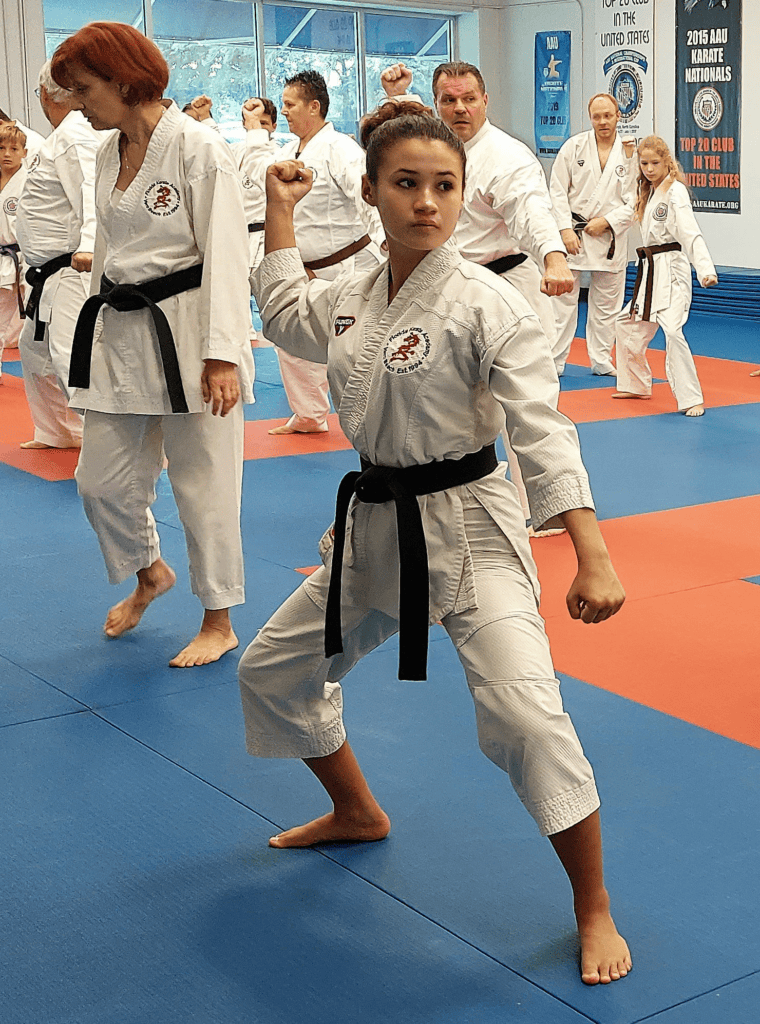
If your child wants to watch first, ask the instructor what is appropriate. Sometimes watching a few minutes helps. Sometimes joining right away works better. Follow the class structure and trust the process.
Avoid Bribes And Pressure
Rewards can be useful later, but avoid making the first class a transaction. Saying “You get a toy if you do this” can make class feel like a scary task to survive.
Pressure can also backfire. If your child struggles, stay patient. The first day is only one step.
Keep The Conversation Going After Class
The ride home is a great time to help your child process the experience. Keep it relaxed and curious.
Ask Better Questions
Instead of asking, “Did you like it?” ask, “What was one thing you learned?” or “What did the instructor ask everyone to practice?” These questions help your child remember details and see progress.
You can also ask, “What should we do before the next class to make it easier?” That gives your child some ownership.
Make The Next Class Feel Normal
If your child enjoyed class, celebrate. If they feel unsure, do not treat it like a failure. Say, “New things take a few tries.” Then talk about the next class as part of the plan.
Families often choose youth martial arts because they want confidence, focus, respect, and movement. Those qualities grow through steady attendance, not one perfect first day.
Conclusion
Preparing kids for their first dojo day is about reducing surprises. Talk about what a dojo is, choose comfortable clothing, practice listening, arrive early, and keep your expectations realistic. Your child does not need to be brave every second. They only need enough support to try.
We should remember that a first class is a beginning. Some children smile right away. Some need time. Both responses are normal. When you stay calm, focus on effort, and keep the experience positive, you help your child build trust in the dojo, the instructor, and themselves.
Frequently Asked Questions
What should my child wear to their first dojo day?
Your child should wear comfortable clothes that allow easy movement unless the school has already provided a uniform. A T-shirt with athletic pants or shorts is usually a good choice for a first visit.
Should my child know karate before the first class?
Your child does not need to know karate before the first class. The first day is designed to introduce basic routines, listening skills, and beginner friendly movement.
What if my child is nervous before class?
If your child is nervous, acknowledge the feeling without making it bigger. Use calm, short reassurance and remind them that trying the first part is enough.
Can parents watch the first dojo class?
Many schools allow parents to watch the first class, but policies can vary by program and space. You should ask ahead so your child knows what to expect when they arrive.
How can I encourage my child after the first class?
Encourage your child by praising effort, listening, and courage rather than perfect technique. Ask what they learned and talk about the next class as another chance to grow.
Give Your Child A Strong Start In Martial Arts
→ Help your child build confidence from their very first dojo class
→ Learn in a welcoming environment with supportive, experienced instructors
→ Enroll in age-appropriate programs that encourage focus, respect, and growth
Connect with Florida Karate Academy to schedule your child’s first dojo experience →
★★★★★ Rated 4.4/5 by 26+ students for respect, discipline, and personal growth.
