
Should I Let My Child Quit Martial Arts?
As a parent, you have probably heard your child say, “I want to quit.”
It might happen after a difficult karate class, when a new skill feels frustrating, or when your child would rather spend their afternoon doing something easier. For parents, this can create a difficult question: Should I let my child quit martial arts, or should I encourage them to keep going?
There is no single answer for every child. However, when a child is simply struggling with frustration, boredom, or the challenge of learning something new, quitting right away may prevent them from discovering one of the most valuable lessons karate can teach: learning how to keep going when something becomes difficult. Anything worth achieving in life requires hard work and years of effort. By staying with their martial arts, children learn what it takes to achieve success through hard work and dedication.
At Florida Karate Academy, karate is about much more than learning physical skills. For children, it can provide opportunities to develop confidence, discipline, patience, focus, and perseverance.
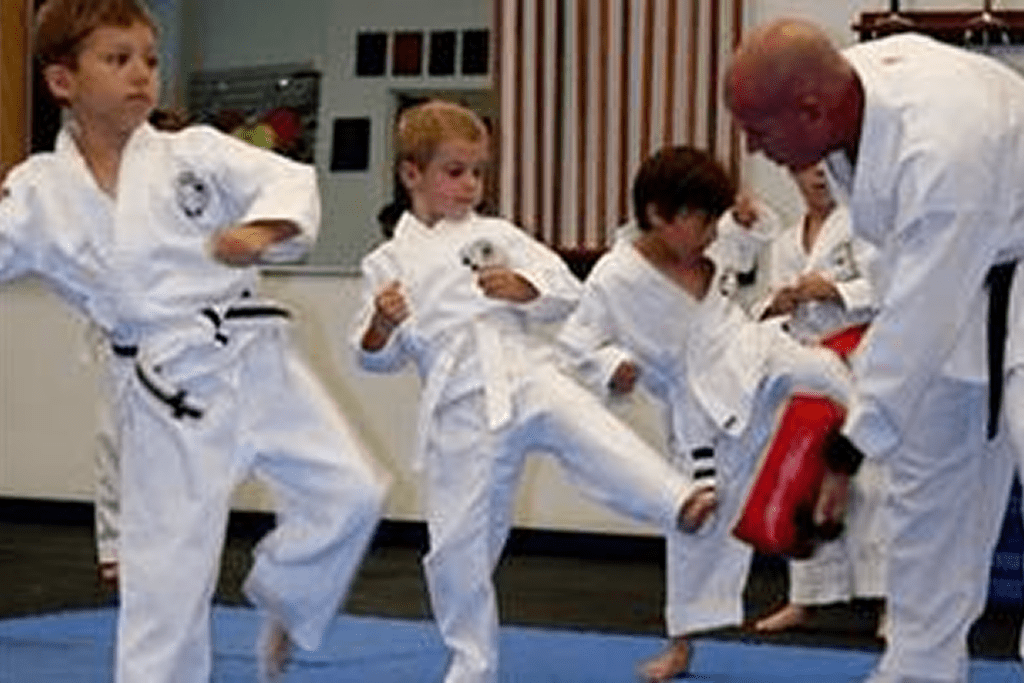
Children Do Not Always Want to Do What Is Good for Them
Children naturally look for things that are fun and comfortable. When something becomes difficult, quitting can seem like the easiest solution.
That is why parents play such an important role.
Think about other skills you may expect your child to learn. If your child is afraid of water, you probably would not immediately decide that swimming is no longer important. You might encourage them to take small steps, give them time to become comfortable, and help them work through their fear.
The same principle can apply to karate.
When a child says they want to quit because a class is challenging, it may be worth asking what is really behind the decision. Are they frustrated because they cannot perform a skill yet? Are they having trouble adjusting to a new environment? Did something happen during class that made them uncomfortable?
Understanding the reason is important before making a decision.
Karate Can Teach Kids to Work Through Challenges
One of the benefits of children’s karate is that progress does not happen all at once.
A child may struggle with a new movement or have difficulty remembering what they learned during class. With practice and encouragement, those same skills can become easier.
That process gives children an opportunity to experience something important: “I couldn’t do it before, but I can do it now.”
That feeling can build confidence.
Instead of seeing a difficult moment as proof that they should stop, children can learn that challenges are often part of getting better.
For younger children, including those in Pre-K karate classes for ages 3 to 5, these lessons can begin in simple and age-appropriate ways. The goal is not to expect perfection. It is to help children learn to listen, participate, try again, and feel proud of their progress.
What If My Child Has Already Made Progress?
This is another important consideration.
Maybe your child has been attending karate for months or even years. You have watched them become more comfortable, learn new skills, and gain confidence. Now they suddenly say they want to quit.
It can be tempting to say, “But you’ve already come so far.”
There is some truth in that. The time and effort your child has invested are worth considering, especially if karate has been beneficial for them.
Rather than focusing only on how much time has already been spent, however, talk with your child about what they have accomplished.
Ask questions such as:
- What do you enjoy about karate?
- What part of class feels difficult right now?
- Is there something that happened that made you want to quit?
- Do you still enjoy being with your classmates?
- What would make karate more enjoyable?
- Would you like to try working through this challenge for a little longer?
These conversations can help you determine whether your child genuinely wants to move on or is simply experiencing a temporary period of frustration.
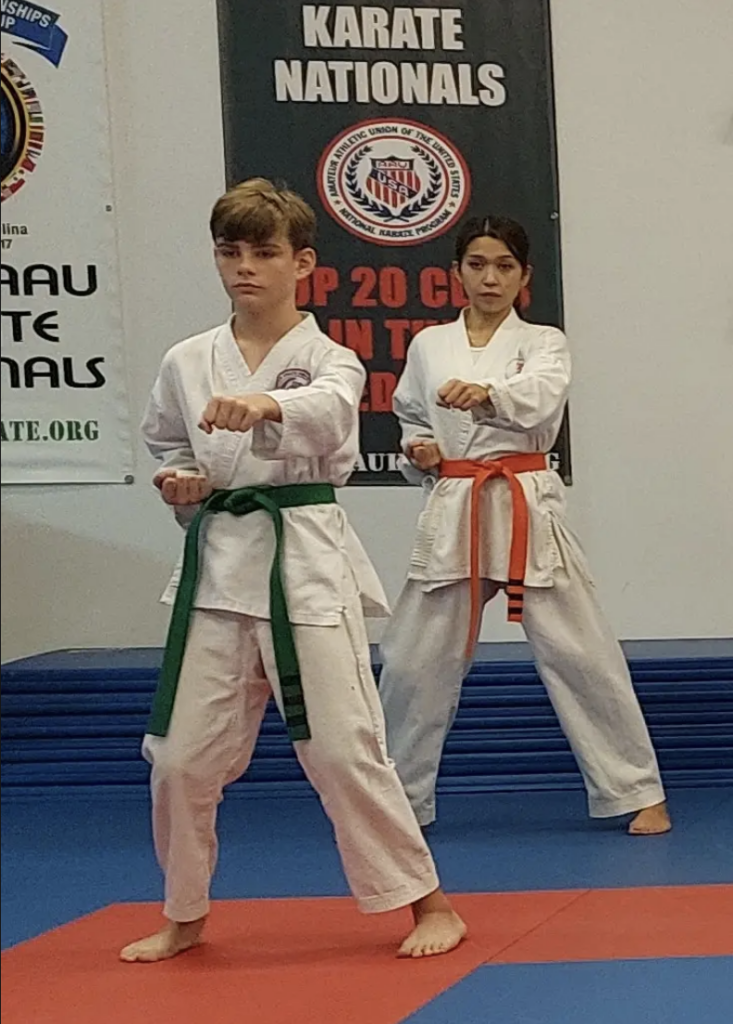
Encourage Your Child Without Making Karate a Punishment
There is an important difference between encouraging a child to persevere and making them feel trapped.
If your child is having a difficult day, you might say:
“I know this feels hard right now. Let’s give it some more time before you decide you want to stop.”
That approach gives your child room to experience the challenge while reminding them that difficult moments do not always mean they should give up.
Parents can also speak with the instructor. A good instructor may be able to explain what is happening in class and offer ideas for helping the child stay engaged.
For families considering children’s karate classes, finding a welcoming program can make a big difference, especially when a child is completely new to martial arts. A supportive environment can help children feel comfortable enough to make mistakes, ask questions, and gradually build confidence.
Perseverance Is a Lesson That Goes Beyond Karate
Perhaps one of the biggest reasons parents encourage children to continue with an activity is that the lesson does not end when class is over.
Learning to push through a difficult kata or sparring drill teaches children how to stay composed when schoolwork or friendships feel challenging.
School may become difficult. Learning to swim may feel intimidating. A new sport may seem frustrating. Making friends can sometimes be challenging. As children grow, they will encounter situations where the easiest option is to walk away.
Karate can give them a safe environment to practice responding differently.
They can learn that making mistakes is okay. They can learn that improvement takes time. They can learn to listen to encouragement, try again, and recognize their own progress.
These are lessons parents can reinforce at home as well.
When Should a Parent Consider Letting a Child Quit?
Perseverance does not mean ignoring legitimate concerns.
If your child is consistently unhappy, experiencing problems with other students, feeling unsafe, or dealing with an issue that is not being resolved, those concerns deserve attention. Parents should investigate what is happening rather than simply telling a child to endure it.
Likewise, children change as they grow. An activity that was a great fit at one stage may not remain the right fit forever.
The goal is not to teach children that they must never quit anything. The goal is to help them understand the difference between quitting because something is difficult and making a thoughtful decision that something is no longer right for them.
That distinction is an important part of growing up.
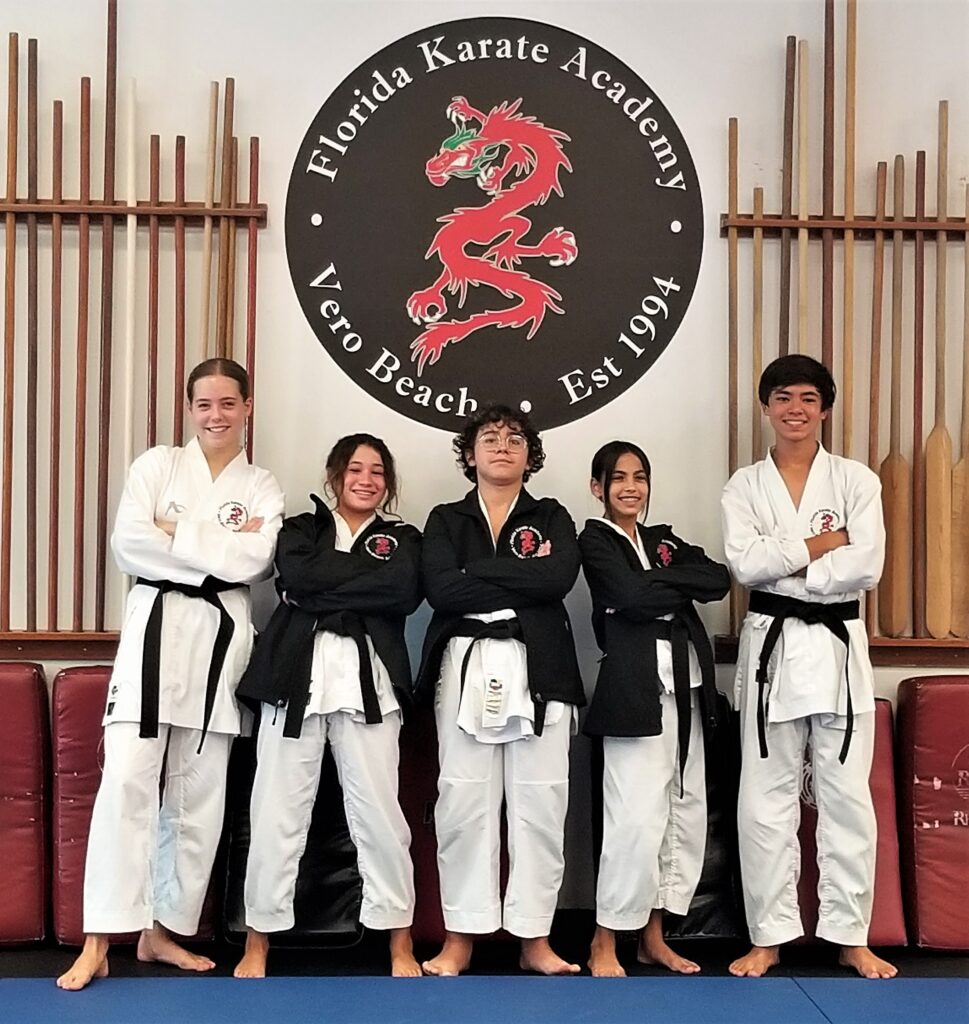
Help Your Child Discover What They Can Accomplish
If your child is thinking about quitting karate, take a moment before making the decision.
Talk with them. Find out why they want to stop. Speak with their instructor if appropriate. Consider the progress they have made and the confidence they have developed. Most importantly, help your child understand that feeling frustrated does not necessarily mean they have failed.
Sometimes, children simply need encouragement to take the next step.
At Florida Karate Academy, our children’s and family programs are designed to give beginners a welcoming place to learn, grow, and build confidence. We offer programs for Pre-K children ages 3 to 5, youth, and families, making it possible for parents and children to experience karate together.
If you are considering whether karate could be a good fit for your child, starting with a free trial at Florida Karate Academy gives your family an opportunity to experience a class and see how your child responds to the environment. Family discounts are also available for families who want to make karate a shared activity.
About the Author
Florida Karate Academy
Florida Karate Academy helps children, teens, and families develop confidence, focus, discipline, and perseverance through age-appropriate karate programs. Our classes welcome beginners and provide a supportive environment where students can learn at their own pace while building skills that can benefit them both inside and outside the dojo.
