
Top Benefits Of Enrolling Your Child In Karate
What changes when your child starts walking into a room with a little more focus, a little more confidence, and a lot more self control?
That is usually the real question behind karate classes. Most parents are not simply trying to fill an afternoon. We are trying to find something that helps our children grow in ways that matter at home, at school, and in everyday life. A look across competitor pages from Premier Martial Arts, Kovar’s, AMAF, and BBMA shows the same core reasons parents keep coming back to karate for kids. They want stronger confidence, better discipline, more respect, improved fitness, practical self defense, and a clearer sense of progress.
That pattern also shows up on the Florida Karate Academy site, which highlights kids karate, family martial arts, a Pre Karate class for ages 3 to 5, and beginner options built around character, confidence, discipline, balance, and strength. That matters because parents are usually comparing more than kicks and punches. They are comparing structure, age fit, and the kind of environment their child will walk into every week.
Table Of Contents
- Why Karate Feels Different From Other Activities
- Confidence Builds One Small Win At A Time
- Focus, Discipline, And Listening Start To Carry Over
- Respect, Resilience, And Social Growth Matter More Than We Think
- Physical Skills And Self Protection Deserve Attention Too
- How To Tell If Karate Is A Good Fit For Your Child
- What Parents Should Keep In Mind Before Enrolling
- Conclusion
- FAQs
In this guide, we are focusing on the biggest benefits of enrolling your child in karate and what those benefits actually look like in real life. This is not about promising overnight change. It is about understanding why karate tends to work so well for many children and what you should pay attention to before enrolling.
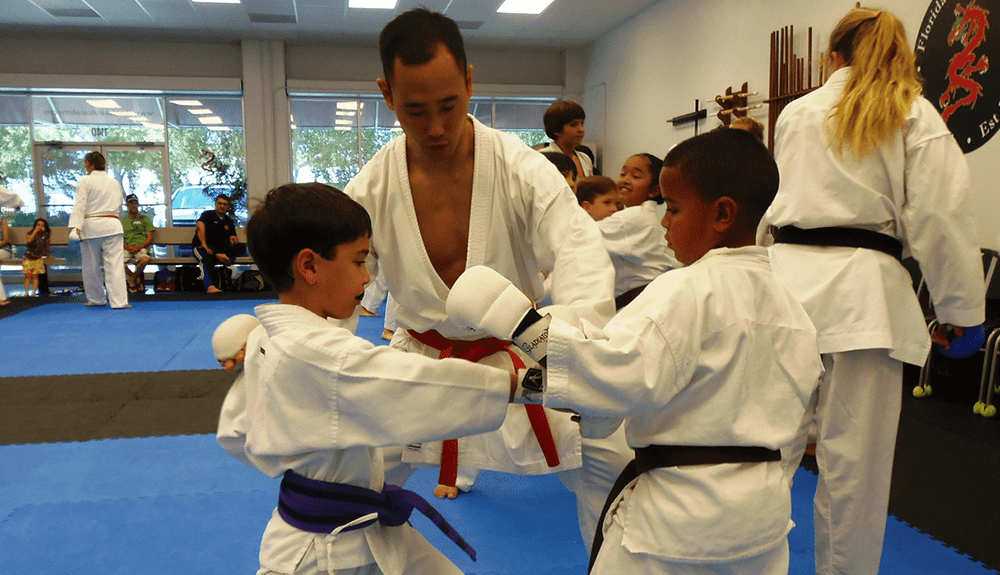
Why Karate Feels Different From Other Activities
One of the strongest things karate offers is a clear path forward. In many activities, kids can feel as though success depends on natural talent, speed, or whether they make the starting lineup. Karate works differently. Progress is personal. A child can see that effort leads to improvement, whether that means learning a stance properly, remembering a form, or earning the next belt. Competitor pages repeatedly point to this sense of steady achievement as one of the reasons confidence grows so naturally in martial arts classes.
For parents, that matters because visible progress helps children stay engaged. They do not have to be the loudest or the strongest in the room to feel successful. They simply need to keep showing up, listening, and practicing.
It Mixes Structure With Movement
Karate also gives children something many modern routines do not always provide enough of, which is movement with structure. A class is active, but it is not chaotic. Kids stretch, drill, listen, repeat, and reset. That rhythm can be especially useful for children who have energy to burn but also need boundaries and consistency. Competitor pages often describe karate as a full body activity that builds strength, flexibility, coordination, and focus without relying only on team competition.
That combination is a big reason karate feels productive rather than random. Children are moving, but they are also learning how to channel that movement with control.
Confidence Builds One Small Win At A Time
What does progress look like when it is measured one bow, one stance, and one small win at a time?
Usually, it looks like confidence that has substance behind it. Karate confidence is not empty praise. It comes from repetition, effort, and a child seeing proof that they can learn something difficult and do it well. Kovar’s and AMAF both frame this as one of the most noticeable benefits of karate for kids, especially as children progress through belt levels and overcome challenges in class.
This kind of confidence often shows up outside the dojo in quiet ways. You may notice your child volunteering an answer more easily, speaking more clearly, or recovering faster from frustration. Those are meaningful shifts because they suggest your child is not just feeling praised. They are feeling capable.
The Belt System Helps Kids Understand Effort
Children often do best when goals are concrete. Karate gives them exactly that. A belt system helps kids understand that progress has stages and that each stage asks for patience, practice, and attention. Kovar specifically points to belt progression as a way children learn goal setting and achievement, while competitor pages from Premier Martial Arts and BBMA connect karate with perseverance, responsibility, and working toward clear milestones.
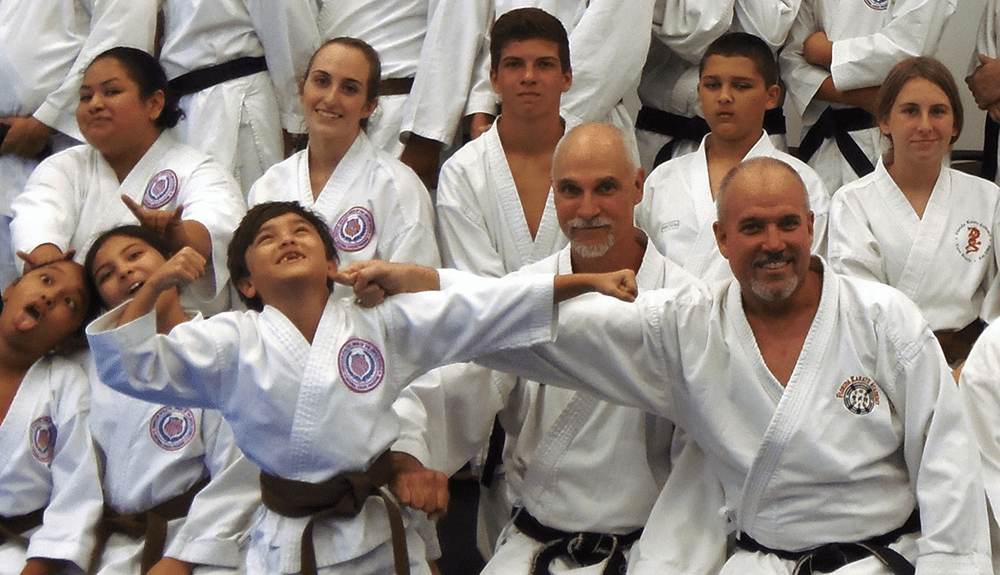
For parents, this can be refreshing. Instead of vague encouragement, your child has a clear target. They know what they are practicing for, and that makes effort easier to understand.
Focus, Discipline, And Listening Start To Carry Over
Many parents first notice karate helping with focus before they notice anything else. Children are asked to listen carefully, follow directions, control their bodies, and repeat technique with attention to detail. AMAF highlights this kind of discipline and concentration as one of the central reasons parents choose karate, and Premier Martial Arts describes increased attention span and focus as a key benefit of karate training.
That does not mean karate turns every child into a perfectly organized student overnight. It does mean classes give them regular practice in paying attention on purpose. Over time, that repetition can become a habit.
Discipline Feels More Real When It Is Practiced, Not Preached
Children hear a lot of instructions in daily life. Clean your room. Sit still. Finish your homework. Karate gives those ideas a physical form. Discipline is no longer just a lecture. It becomes something children practice through posture, timing, repetition, and respect for the class routine. Kovar’s and BBMA both emphasize that karate teaches self control and respect for instructors and peers, with lessons that often carry over into home and school routines.
That is one reason many families stick with karate. It gives children a place to rehearse discipline in action, rather than only hearing about it when something goes wrong.
Respect, Resilience, And Social Growth Matter More Than We Think
Respect sounds simple, but children understand it better when they see it modeled and repeated. In karate, respect is built into the structure of class. Kids learn how to address instructors, how to wait their turn, how to practice safely with others, and how to handle correction without shutting down. AMAF describes respect and courtesy as core principles of karate, and BBMA adds that good martial arts training encourages children to carry those habits into relationships with teachers, parents, siblings, and peers.
For you as a parent, that matters because respectful behavior grows stronger when it is reinforced in more than one setting. Home matters. School matters. A well run karate class can support both.
Setbacks Become Part Of Learning
Every child needs safe chances to struggle. Karate offers that. A child may forget a sequence, lose balance, or need several attempts before a movement feels right. The point is not perfection. The point is learning how to stay with the process. BBMA connects karate with courage and perseverance, while Kovar highlights the relationship between effort and reward through steady advancement.
That is useful far beyond martial arts. Resilience is built when children learn that frustration is not failure. It is simply part of learning.
Friendships Can Grow In A Structured Setting
Karate is individual in many ways, but it is not isolating. Kids still learn alongside others, practice with partners, and grow in a shared routine. Premier Martial Arts points to social skills and teamwork as part of the benefits of kids martial arts, and BBMA notes that martial arts can help children become patient, dependable, and communicative.
That social side can be especially helpful for children who do not always connect with traditional team sports. They still get community, but without the same pressure to compete for a position or compare themselves nonstop.
Physical Skills And Self Protection Deserve Attention Too
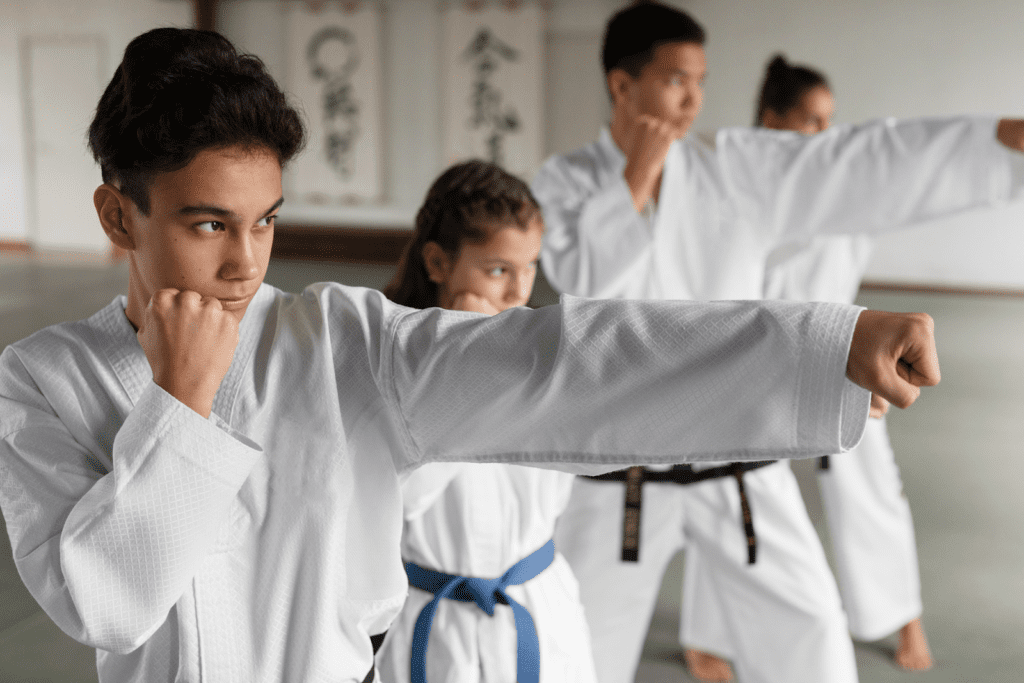
Karate is one of those activities where physical development happens almost in the background. Children are having fun, learning technique, and staying engaged, but they are also improving posture, coordination, balance, and body awareness. Kovar describes karate as a full body workout that supports strength, flexibility, coordination, spatial awareness, and even finer motor control, while AMAF notes the role of stretching, cardio, and drills in building fitness for kids of different levels.
This is valuable even if your child never plans to compete. Better coordination and balance help in everyday life, other sports, and general confidence in movement.
Self Defense Is Taught With Control, Not Aggression
A lot of parents are drawn to karate because they want their child to feel safer and more self assured. That makes sense, but the best teaching around self defense is usually more measured than dramatic. Competitor pages consistently frame self defense as one part of karate, with strong emphasis on awareness, calm responses, and using skills responsibly rather than seeking conflict.
That is an important distinction. Karate should help children feel more capable, not more reckless. And if your child is dealing with serious bullying, anxiety, or emotional challenges, karate can be one supportive tool, but it should not replace professional assistance when deeper help is needed.
How To Tell If Karate Is A Good Fit For Your Child
You do not need to wait for your child to show perfect discipline before trying karate. In many cases, that is exactly what families hope karate will help build. What matters more is whether your child seems open to movement, routine, and learning in a group setting.
Here are a few signs karate might be worth exploring for your family.
- Your child enjoys active classes with clear structure
- Your child responds well to small goals and visible progress
- Your child could benefit from more confidence or self control
- Your child wants an activity that is not centered only on team competition
These are not strict rules, but they are useful clues. Many parents who compare local classes are really asking whether the activity fits their child’s personality, not just their schedule.
Pay Close Attention To The Teaching Style
Not all schools create the same experience. AMAF recommends looking for experienced instructors, a supportive environment, and class sizes that allow real attention. That is smart advice because the setting shapes the outcome just as much as the curriculum.
The best kids karate programs usually feel structured without feeling harsh. Beginners should be challenged, but they should also feel welcomed. You should look for instruction that is clear, age appropriate, and steady enough that children know what is expected.
A Strong Fit Matters More Than A Flashy First Impression
Parents often compare schedules, class age ranges, and teaching philosophy before choosing a school, and that is worth doing. Our website highlights kids karate, family martial arts, Pre Karate, beginner classes, and a long history dating back to 1994, which signals the kind of age range and continuity many families look for when narrowing down options.
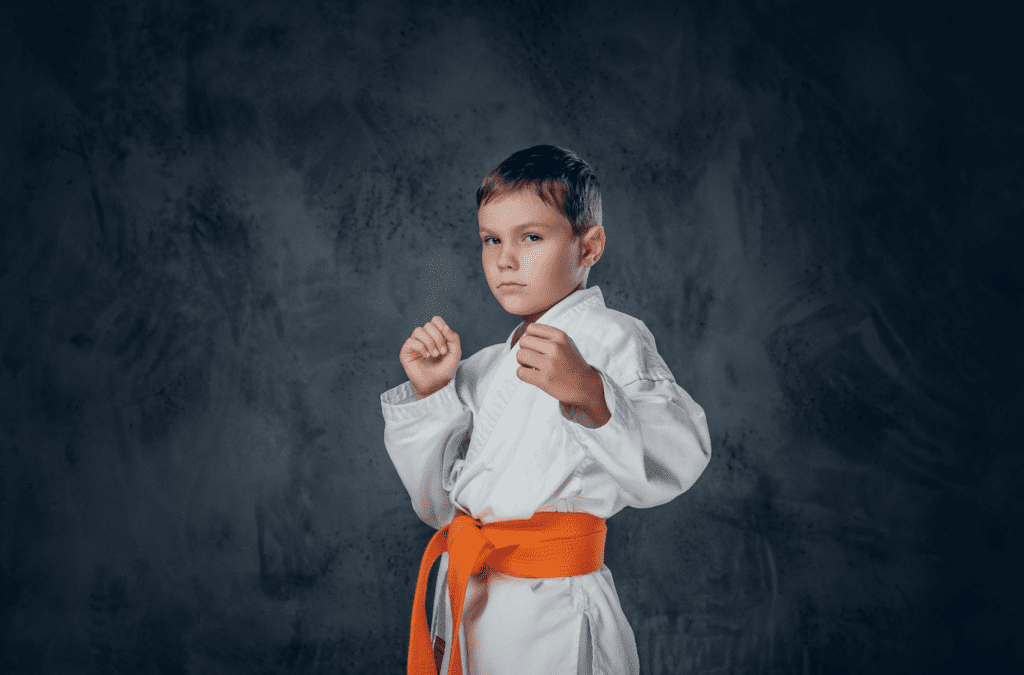
In other words, do not choose based only on the loudest marketing. Choose the place where your child seems likely to learn, stick with it, and feel supported.
What Parents Should Keep In Mind Before Enrolling
It helps to start with realistic expectations. Karate is not a shortcut to instant discipline or instant confidence. The benefits tend to build through repetition and consistency. That is actually part of why they last. A child who learns patience through gradual progress is gaining something more useful than a quick motivational boost.
This is also where a family’s mindset matters. If you expect karate to fix everything in two weeks, you may miss the quieter improvements happening underneath. Watch for better listening, stronger posture, more willingness to try, and calmer recovery after mistakes. Those are often the first signs of real growth.
Consistency Matters More Than Intensity
Children do not usually need more pressure. They need regular practice. One or two consistent classes a week, supported by encouragement at home, often does more good than big expectations placed on a child too early. Competitor pages keep returning to the same idea that karate works because it combines routine, goals, and supportive progression over time.
That is why many families who start out simply looking for an after school activity end up staying longer than expected. Karate gives children a dependable place to grow.
Conclusion
Enrolling your child in karate can offer much more than physical activity. It can give them a structured way to build confidence, focus, discipline, respect, resilience, coordination, and self awareness. Competitor schools describe these benefits in slightly different language, but the pattern is remarkably consistent. Karate works best when it helps children grow from the inside out through steady effort and clear guidance.
For parents, the bigger takeaway is simple. You do not have to chase the busiest schedule or the trendiest activity. You can choose something that teaches your child how to listen, move with control, handle setbacks, and feel proud of real progress. That is why families comparing kids’ martial arts often keep karate near the top of the list, and why schools such as Florida Karate Academy continue to appeal to parents who want both structure and long term growth for their children.
FAQs
What is the best age to start karate for children?
Many schools offer age specific beginner options, and some have early classes for children as young as 3 to 5. The best age depends on your child’s ability to follow simple directions, participate in a group, and enjoy structured movement.
Can karate help a shy child?
Yes, karate can be a good fit for shy children because it builds confidence through repetition, small wins, and clear routines. Many children become more comfortable speaking up and participating as they gain familiarity and progress.
Will karate make my child more aggressive?
Good karate instruction should do the opposite. Children are usually taught self control, respect, awareness, and responsible use of technique. A strong class environment focuses on discipline rather than aggression.
How often should my child attend karate classes?
For many families, one or two classes a week is a practical starting point. Consistency matters more than intensity, especially in the beginning.
What should I look for in a karate school?
Look for instructors who work well with children, classes that feel structured and supportive, age appropriate teaching, clear expectations, and an environment where your child feels both welcomed and guided.
Karate Classes That Help Children Build Confidence, Focus, And Discipline
→ Age-based classes designed to support growth at every stage
→ Encouraging instruction that helps kids stay engaged and motivated
→ A structured training environment where respect and self-control come first
Give your child a positive place to grow stronger, more confident, and more focused through karate.
★★★★★ Rated 4.4/5 by 14+ students for respect, discipline, and personal growth.
